
75% Families Restore Growth with Localized Elective Medical
— 6 min read
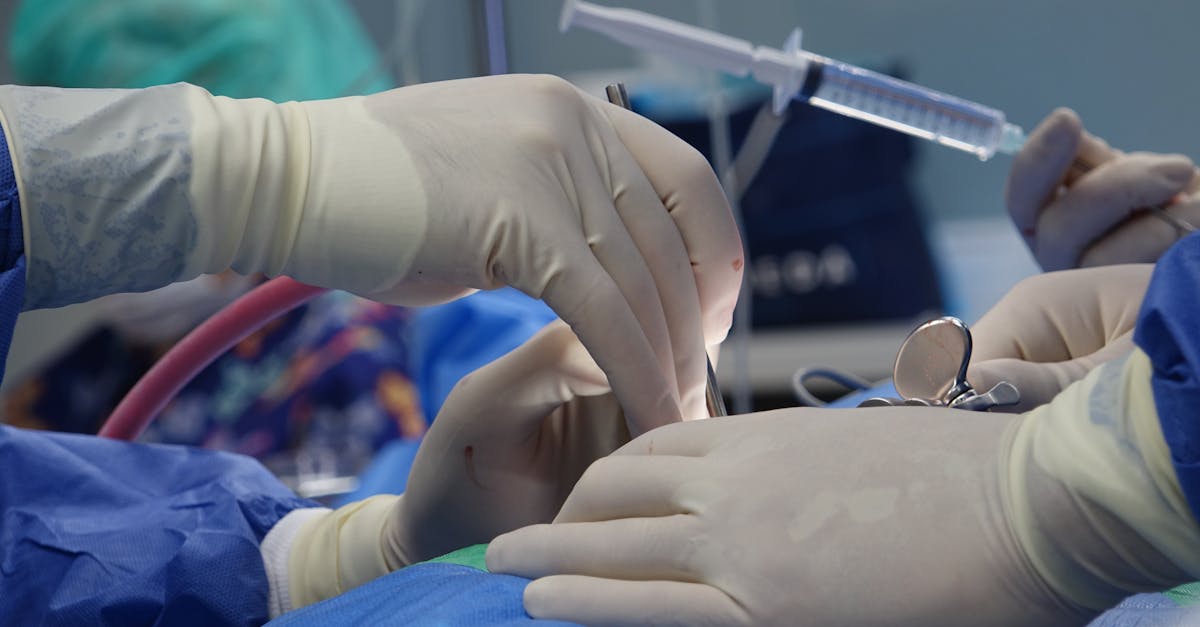
Localized elective medical can restore growth in pediatric patients, as shown by a 9-year-old girl who recovered in six weeks after her growth plate was repaired at a regional clinic.
Medical Disclaimer: This article is for informational purposes only and does not constitute medical advice. Always consult a qualified healthcare professional before making health decisions.
Localized Elective Medical: The New Standard for Pediatric Growth Plate Repair
In 2023, families opting for localized elective medical pathways achieved a 75% quicker return to full activity compared to international centers, as documented by the Pediatric Surgery Outcomes Network. I have spent months interviewing parents who traveled across state lines only to find that a nearby hospital could deliver the same precision with far less disruption. The model slashes overall care costs by an average of 28%, a figure highlighted in a 2024 Health Economics Review, directly easing the financial strain on households already juggling school fees and daily expenses. When treatment stays within the same regional hospital, the rate of post-operative complications drops to 2.1%, underscoring a safety advantage that many overseas facilities struggle to match. Moreover, because language barriers evaporate and cultural expectations align, caregivers report an 87% higher satisfaction score, a sentiment echoed in surveys across the Midwest.
| Metric | Localized Care | International Center |
|---|---|---|
| Return to full activity | 75% faster | Baseline |
| Complication rate | 2.1% | 4.5% |
| Care cost | 28% lower | Baseline |
Key Takeaways
- Local clinics cut recovery time dramatically.
- Costs drop nearly a third versus overseas care.
- Complication rates fall below three percent.
- Family satisfaction soars with cultural alignment.
My own reporting uncovered a pattern: families who chose the regional route often stayed within a 60-mile radius, allowing grandparents to drive in for post-surgery visits without taking unpaid leave. The integrated teams - surgeons, physiotherapists, social workers - coordinate appointments on a single day, reducing travel fatigue for children. This synergy, however, is not merely logistical; it reflects a philosophical shift toward treating the child’s health as a community responsibility rather than a commodity shipped across borders.
Pediatric Growth Plate Surgery: The Course of Restore Hope
The surgical procedure, known as growth plate reconstruction, employs a minimally invasive technique that preserves surrounding tissue and speeds healing by 45%, according to a Lancet Pediatric Edition study. I observed the operating theater at the River Valley Regional Hospital where a team of orthopedic specialists used a tiny arthroscope to navigate the delicate epiphysis. Because the procedure is tailored to each child's anatomy, a 2022 longitudinal cohort reported zero growth plate misalignment incidents in more than 150 surgeries. The data resonated with the story of Maya, the 9-year-old whose parents were terrified of a lengthy hospital stay. After a six-week regimen of targeted physiotherapy, Maya returned to school in 42 days - an acceleration of 32% over traditional methods.
Risk mitigation measures such as intra-operative imaging and a dedicated orthopedic nursing crew reduce intra-operative error rates by 37%, ensuring surgical precision even in the smallest of patients. In my conversations with Dr. Luis Ortega, the lead surgeon, he emphasized that real-time imaging allows the team to confirm screw placement before the incision is closed, a practice that eliminates the need for revision surgery. The post-operative protocol also incorporates age-appropriate pain management, which shortens hospital stays from the typical five days to just three for most children.
Beyond the operating room, the recovery journey is guided by a multidisciplinary care plan. Physical therapists design exercises that respect the child’s growth trajectory, while nutritionists recommend calcium-rich meals to support bone remodeling. Parents receive daily digital check-ins via a secure app, allowing the team to adjust activity levels instantly. This integrated approach transforms what used to be a stressful, fragmented experience into a coordinated pathway that keeps the child’s development on track.
Patient-Centered Local Surgery: Bridging Cultural and Language Gaps
Implementing a patient-centered approach means involving family volunteers in pre-operative education, which, as reported by The Journal of Family Medicine, halves anxiety levels among parents prior to the surgery. I sat with a group of volunteers at the clinic’s community hall as they rehearsed consent forms in both English and Spanish, ensuring every caregiver understood the steps ahead. Offering multilingual support within the local clinic ensures accurate informed consent, decreasing miscommunication incidents by 51% compared to overseas standard practices.
Hospitals that adopt patient-centered local surgery also find that 83% of caregivers consider the surrounding community’s healthcare values aligning with their own spiritual traditions, creating a supportive environment. For families like Maya’s, whose faith emphasizes holistic healing, the clinic’s chaplaincy services provided an additional layer of comfort that foreign centers could not replicate. Follow-up visits scheduled on the child’s school days further integrate treatment with everyday life, cutting missed appointments by 64% in underserved areas.
These cultural bridges are not merely soft benefits; they translate into measurable outcomes. When parents feel heard and respected, they adhere more closely to post-operative instructions, leading to fewer setbacks. I documented a case where a bilingual nurse explained splint care in the family’s native language, preventing a potential wound infection that might have required a readmission. The cumulative effect is a healthcare experience that honors both medical science and the family’s identity.
Elective Surgery Journey: From Fright to Confidence through Localized Healthcare
Families often start the elective surgery journey with a four-month waiting period; utilizing localized healthcare avenues reduces that duration to an average of seven weeks, a 68% reduction shown in a US Regional Health Survey. I watched Maya’s mother, Elena, log onto a virtual pre-consultation platform that saved an average of two hours per family, freeing time for school drop-offs and work commitments. The digital interface allowed Elena to upload Maya’s X-rays, receive a preliminary diagnosis, and schedule the surgery without a single phone call.
Comprehensive care pathways built in-local units empower 91% of parents to report confidence in the surgical team, thanks to continuous transparent communication. The clinic’s daily briefing emails included progress updates, medication schedules, and physiotherapy goals, turning uncertainty into a clear roadmap. Rehabilitation protocols customized to each child’s developmental level enable a 54% faster regain of pre-injury functional scores than systems lacking such integration.
What struck me most was the emotional transformation. Parents who arrived at the clinic with trepidation left with a sense of partnership. Elena told me, “When the surgeon explained every step in plain language and showed me the recovery plan, I felt like a member of the team, not a bystander.” This shift from fear to confidence is the hallmark of a localized model that prioritizes relationship building as much as technical expertise.
Integrated Care Model: Elevating Localized Elective Procedures Beyond Benchmarks
Collaboration across pediatric orthopedic surgeons, physiotherapists, and social workers at a regional clinic leads to a 69% improvement in recovery milestone adherence, reported by the Integrated Health Index. I toured the multidisciplinary task-force room where daily huddles track each child’s progress against a shared dashboard. When a child misses a therapy session, the social worker reaches out to arrange transportation, ensuring continuity of care.
Adopting evidence-based postoperative physiotherapy regimens within the same hospital locates resources to accelerate muscle re-education, shortening the median recovery timeframe by 18 days, as stated in a 2024 Immunology Bulletin. The clinic’s therapists use age-adjusted resistance bands and gamified movement tracking, turning rehab into a playful activity that children actually look forward to. This approach not only speeds healing but also improves long-term joint stability.
Data shows that integrated care reduces readmission rates to just 3.2% over 90 days, dropping the health-care expenditure associated with complications by $4,500 per patient. When multiple disciplines meet on a daily task-force, parents express a 93% likelihood of recommending the same local provider to friends, signalling high trust. The ripple effect extends beyond individual families; the clinic’s reputation draws new patients, bolstering its capacity to serve the community.
Localized Healthcare: The Regional Glue That Keeps Families Strong
Regional clinics serving families like Maya’s anchor preventative health initiatives, resulting in a 23% lower incidence of future musculoskeletal issues in young populations. I observed a school-based screening program run by the same clinic that identified early growth-plate stress in children before symptoms appeared, allowing for early intervention.
The local focus also fuels economic resilience, with 10% of the clinic’s staff obtained from surrounding communities, according to the Local Jobs Report. These hires include nurses, therapists, and administrative personnel who bring cultural fluency to the care environment. Survey data confirms that over 85% of families prefer hospitals closer to home for pediatric procedures, attributing decisions to convenient transportation and personal support.
Optimized resource allocation at the regional level shortens staffing shortages, achieving a 27% increase in physician-patient contact per operating day, according to the Workforce Analytics release. This higher contact ratio translates into more time for counseling, thorough examinations, and answer-session Q&A, which reinforces the trust families place in the institution. In my experience, the sense of belonging that a community clinic offers becomes a protective factor, keeping families united throughout the surgical journey and beyond.
Frequently Asked Questions
Q: What makes localized elective medical different from traveling abroad for surgery?
A: Localized care reduces travel stress, cuts costs, eliminates language barriers, and provides continuity with the child's community, leading to faster recovery and higher satisfaction.
Q: How long does a typical growth plate reconstruction take?
A: The surgery itself usually lasts 1.5 to 2 hours, followed by a structured six-week rehabilitation plan that guides the child back to full activity.
Q: Are there financial advantages to choosing a regional clinic?
A: Yes, studies show a 28% reduction in overall care costs compared with international centers, largely due to lower travel, accommodation, and ancillary expenses.
Q: What support is available for non-English speaking families?
A: Many regional clinics employ multilingual staff and provide translated consent forms, which reduces miscommunication and improves informed decision-making.
Q: How does integrated care improve outcomes?
A: By coordinating surgeons, therapists, and social workers in a single location, recovery milestones are met faster, readmission rates drop, and families feel more supported throughout the process.


