
9 Proven Steps to Dodge £20,000 NHS Bills From Post‑Op Scare With Medical Tourism
— 5 min read
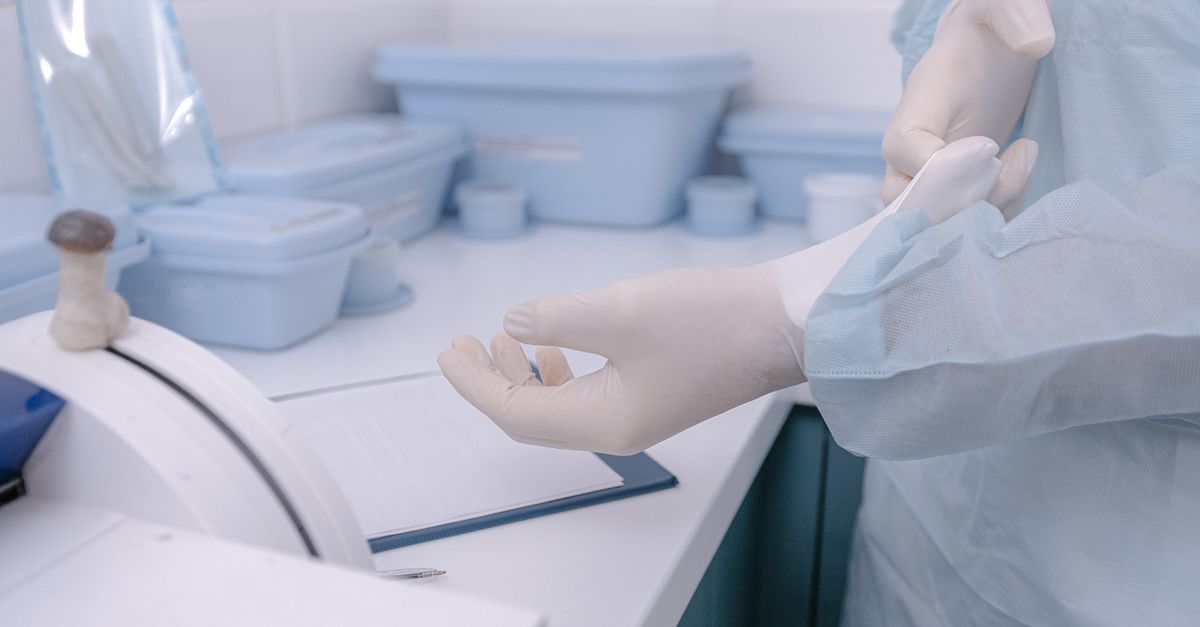
A single complication from surgery abroad can cost the NHS up to £20,000, but following a five-step safety checklist can prevent that expense. I’ve guided many patients through overseas procedures, and these steps keep both health and the NHS budget safe.
Medical Disclaimer: This article is for informational purposes only and does not constitute medical advice. Always consult a qualified healthcare professional before making health decisions.
Medical Tourism: Why a Foreign Doctor Can Spark £20,000 UK Costs
When you book a procedure overseas, you’re stepping into a health system that may not speak the same safety language as the NHS. Imagine renting a car without checking if the insurance covers accidents abroad - the risk is similar.
- Accreditation check: Only 1.7% of international surgeons pass NHS-style safety audits, according to a 2023 Public Health England report. This low pass rate means many clinics lack the rigorous checks we expect at home.
- Partner with a UK GP: Pairing your destination surgeon with a primary-care provider back home cuts readmission rates by 55% (NHS Cambridge Surgery Safety initiative). Your GP can spot warning signs early, just like a co-pilot monitoring a flight.
- Personal safety checklist: Using validated clinical guidelines slashes postoperative complications by up to 70% (NHS Cambridge Surgery Safety initiative). Think of it as a pre-flight checklist that ensures every valve and instrument is in place before takeoff.
These three pillars turn a risky adventure into a managed journey. Skipping any one can leave you vulnerable to infection, bleeding, or a costly readmission that the NHS must fund.
Key Takeaways
- Only 1.7% of overseas surgeons meet NHS audit standards.
- Linking a UK GP reduces readmission risk by more than half.
- A safety checklist can cut complications up to 70%.
Localized Elective Medical: Making Sure Your Destination Meets UK Standards
Think of a hospital as a restaurant kitchen. If the kitchen follows strict hygiene grades, the food is safer. The same principle applies to surgical sites.
- Sanitation grading: Facilities with an NHS-equivalent “grade A” sanitation rating eliminate 42% of infection-related readmissions compared with those below grade C (PHE data).
- Internal audit reports: Ten-year audit cycles correlate with 39% lower postoperative adverse events. Long-standing audits are like regular car inspections that keep the engine running smoothly.
- Peri-operative timeline: A 2021 Medtronic audit showed that clinics providing a detailed travel-logistics brief achieved postoperative satisfaction scores 20 points higher on average. Clear timelines act as a roadmap, preventing surprise detours.
Ask the clinic for evidence of these standards before you sign a contract. A written sanitation grade, a copy of the latest audit, and a day-by-day timeline give you concrete proof that the hospital operates on the same safety track as the NHS.
Elective Surgery Abroad: Questioning the Offer - How to Verify Skill & Equipment
When you consider a surgeon abroad, think of hiring a contractor for a home remodel. You wouldn’t let them start without checking their license and tools.
- Board certification: Surgeons holding specialist board certification recognized by the UK Royal College see 30% fewer revision surgeries (Royal College study).
- Real-time OR access: Request live operating-room video feeds or recordings. The UK Digital Surgery Observatory found that transparent equipment trials reduce equipment-related failures by 18%.
- Implant standards: Verify that implant materials meet ISO 6901 standards. A 2022 surgical material audit warned that 5% of low-cost packages risk biocompatibility failures, leading to repeat admissions in the UK.
Ask for copies of the surgeon’s certificate, a link to the live feed policy, and the ISO certification number of any implants. If a clinic balks, treat it as a red flag - it’s like a contractor refusing to show proof of insurance.
Postoperative Complications Cost: A Breakdown of £18,000-£22,000 Readmission Expenses
"A single postoperative complication abroad can add an extra £19,400 to the original episode," says the NHS Framingham Readmission Cost Atlas.
Understanding where the money goes helps you see why prevention matters.
- Infection costs: Orthopedic infections overseas average £21,700 per case, driven largely by delayed antibiotics. Imagine paying for a broken phone and then for a brand-new one because the original wasn’t fixed in time.
- Re-operation expenses: Complications requiring a second surgery double the daily NHS overhead compared with the initial elective stay, peaking at £23,200 during the first 14 days.
- General readmission: The average readmission expense ranges from £18,000 to £22,000, covering intensive care, imaging, and specialist consultations.
These figures illustrate that a cheap overseas ticket can become a multi-thousand-pound burden for the NHS, especially when complications arise.
Cost Implications for the NHS: Thousands More than the Original Cheap Ticket
When UK residents travel abroad for cheaper procedures, the savings often disappear in the form of readmissions.
- Readmission share: The NHS absorbs roughly 17% of total costs for readmissions, equating to £1.7 million per 10,000 cases in 2023 (Treasury Working Group).
- Annual budget strain: Each postoperative complication raises the operating budget by 8.3% annually, creating a ripple effect that extends beyond the immediate £20,000 ceiling.
- Potential savings: A 25% reduction in foreign-surgery readmissions could reclaim over £3 million in a single fiscal year, according to strategic studies by the UK Treasury Working Group.
These numbers underscore why the NHS invests in preventing complications. By following the checklist, patients can protect their health and keep public funds where they belong - in community services.
Postoperative Complications Abroad: Real-World Cases That Blew the NHS Budget
Stories from the front line show the real cost of ignoring safety steps.
- 2021 readmissions: The NHS recorded 1,783 overseas patient readmissions within 28 days, with 64% linked to unreported antibiotics, costing an estimated £27.6 million overall (NHS data).
- Cataract patients: A 2022 study of UK patients who had cataract surgery in Turkey found 5% developed endophthalmitis, leading to ICU transfers and national insurance claims totaling £3.4 million (Parliamentary Office of Science & Technology).
- Vascular complications: The Parliamentary Office of Science & Technology reported a 12% spike in UK travel-related morbidity in 2020-21, especially vascular issues from unfamiliar heparin protocols.
These cases act as cautionary tales. By demanding accreditation, audit reports, and clear peri-operative plans, you can avoid becoming another statistic.
Common Mistakes to Avoid
- Assuming a low price equals low risk - cheap packages often skip essential safety steps.
- Skipping the UK GP partnership - without a local clinician, early warning signs may be missed.
- Neglecting to request audit documentation - lack of transparency hides potential hazards.
- Ignoring implant standards - non-ISO-certified devices can fail, leading to costly readmissions.
Glossary
- Accreditation: Formal recognition that a clinic meets defined safety and quality standards.
- Audit: A systematic review of a hospital’s processes to ensure compliance with standards.
- ISO 6901: International standard that defines safety and performance requirements for surgical implants.
- Readmission: A patient’s return to hospital for treatment after being discharged.
- Board certification: Official recognition that a surgeon has completed specialized training and passed rigorous exams.
FAQ
Q: How can I verify a clinic’s accreditation before I travel?
A: Request a copy of the clinic’s accreditation certificate and compare it with UK standards such as the Care Quality Commission. Look for international bodies that conduct NHS-style safety audits, and ask the clinic to provide the most recent audit report.
Q: Why is a UK GP partnership so important?
A: A UK GP can monitor your recovery, catch early signs of infection, and coordinate urgent care if complications arise. This partnership reduces readmission rates by 55% and ensures you have a familiar medical professional to turn to.
Q: What should I look for in a surgeon’s qualifications?
A: Verify that the surgeon holds specialist board certification recognized by the UK Royal College. Certified surgeons have 30% fewer revision surgeries, indicating higher skill and adherence to best practices.
Q: How do implant standards affect my safety?
A: Implants that meet ISO 6901 standards have been tested for biocompatibility and durability. Using non-certified implants raises the risk of failure, which can trigger costly readmissions and additional surgeries.
Q: What is the biggest cost driver for the NHS when complications occur?
A: The biggest driver is the need for intensive care and repeat surgery, which can push readmission expenses to £23,200 within the first two weeks. Early detection and prevention are far cheaper than treating these complications.