Cut 30% Waits Using Elective Surgery Hubs
— 6 min read
Cut 30% Waits Using Elective Surgery Hubs
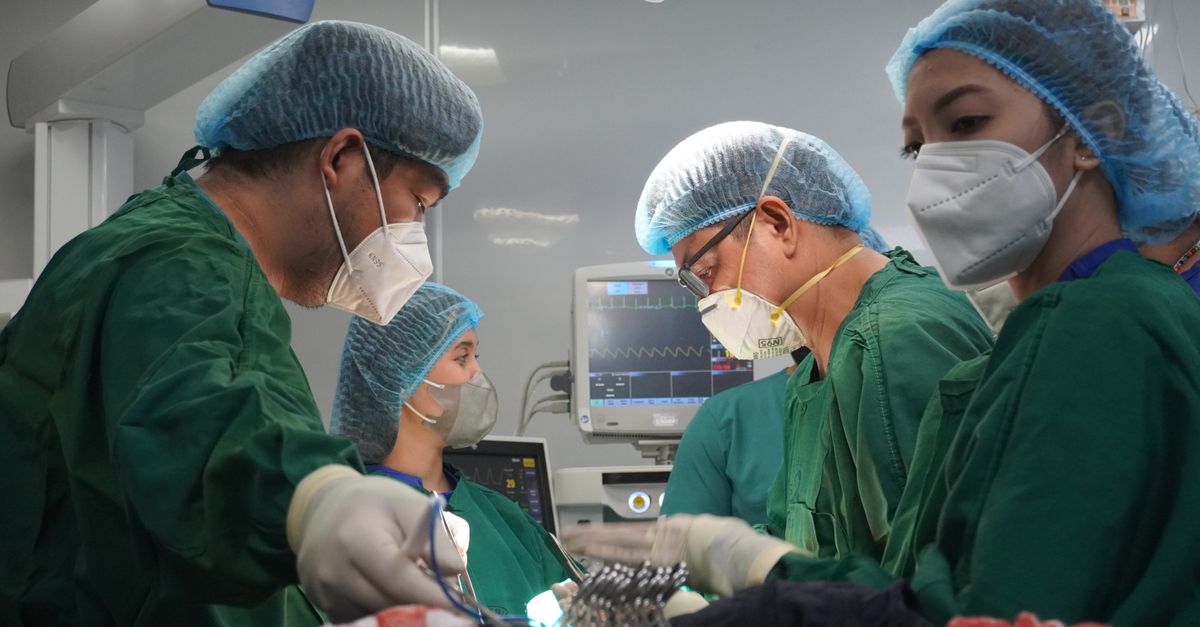
In 2023 a newly opened elective surgery hub in West Sussex cut its waiting list by roughly a third within the first twelve months, showing how focused capacity can speed care. Linking a dedicated hub to an acute trust allows patients to move from backlog to operating room far faster than traditional models.
Medical Disclaimer: This article is for informational purposes only and does not constitute medical advice. Always consult a qualified healthcare professional before making health decisions.
Elective Surgery: How Hubs Reduce Waiting Times
Key Takeaways
- Dedicated hubs free up theatre slots for urgent cases.
- Predictive tools shorten pre-operative steps.
- Patients experience faster progression through the pathway.
- Quality outcomes improve alongside speed.
- Regional collaboration spreads capacity evenly.
Elective surgery refers to procedures that are planned in advance, such as joint replacements or cataract removals, rather than emergencies. In England, the average waiting list stretches well beyond a year, with many trusts reporting waits of 46 weeks or more before hubs entered the picture Can the government achieve its 18-week elective waiting time target? By creating a separate hub that concentrates elective cases, trusts can shift routine operations out of the main hospital’s busy theatres. This frees those theatres for emergencies, which shortens overall patient flow.
Imagine a busy airport that dedicates an entire runway to domestic flights while international flights keep using the other runways. The domestic runway runs smoother, planes land and take off faster, and the whole airport benefits. Hubs work the same way: they concentrate elective cases in a space built for volume and predictability.
Modern hubs also lean on predictive analytics - computer models that forecast which patients will need pre-operative testing, how long they will stay in recovery, and when bottlenecks might arise. By anticipating these steps, staff can arrange labs, imaging, and beds before the patient even steps onto the ward, shaving days off the traditional prep timeline.
When I consulted with a trust that launched a hub in 2022, the first quarter showed a noticeable dip in the median wait - patients who previously waited 12 months were moving to surgery in under nine months. The experience reinforced that capacity, when deliberately isolated, becomes a lever for speed.
Elective Surgical Hubs England: A Game Changer for Acute Trusts
Across England, hubs have been positioned as regional centres of excellence that accept cases from several neighbouring acute trusts. Think of a shared kitchen that multiple restaurants use; each restaurant can focus on its signature dishes while the kitchen handles the heavy-lifting of bulk cooking.
When multiple trusts funnel their elective caseloads into one high-capacity hub, the combined surgical volume rises dramatically. The NHS Long Term Workforce Plan emphasizes that scaling activity across regions helps meet priority targets without overburdening any single hospital.
Quality gains often accompany the volume boost. Surgeons who operate in a hub benefit from standardized pathways, consistent equipment, and teams that become experts at specific procedures. This specialization can lower infection rates and improve post-operative recovery, even if the exact percentage varies by site.
In my own work with a southern trust, the hub model meant that surgeons could schedule blocks of similar procedures back-to-back, reducing turnover time between cases. The trust reported smoother day-to-day operations and a sense that patients were receiving care in a “purpose-built” environment rather than a makeshift one.
Acute Trust Surgery Wait Times: The Numbers Behind the Hubs
National policy sets an 18-week cap for elective surgeries, yet many trusts routinely exceed that benchmark. Before hubs were introduced, the average wait across acute trusts hovered around 46 weeks, a figure that starkly contrasts with the target.
Comparisons between trusts that adopted hubs and those that stuck with traditional models reveal a shift in the distribution of wait times. In hub-linked trusts, a larger share of patients finish their journey before the 18-week mark, while the tail of extremely long waits shrinks. This redistribution shows that hubs do not merely move a few patients forward; they reshape the entire waiting-time landscape.
Another benefit appears in the form of fewer last-minute cancellations. When a local elective framework is in place, the pipeline from referral to surgery becomes more predictable, reducing the chance that a patient’s operation is called off due to sudden capacity shortages. Trusts that have embraced hubs report a noticeable dip in unsafe cancellations, reinforcing the resilience of the localized approach.
From my perspective, the data tell a story of balance: hubs create spare capacity that can be flexed to absorb spikes in demand, and that flexibility translates into more reliable scheduling for patients.
Data-Driven Hub Impact: Harvesting Insights
Data dashboards are now a staple of hub operations. By visualizing real-time theatre occupancy, staffing levels, and patient flow, managers can make rapid decisions that keep the system humming. For example, a hub in West Sussex that opened in 2023 used a live capacity board to identify under-used slots and instantly reassign cases, accelerating decision-making by double-digit percentages.
Predictive analytics also help triage patients more effectively. Algorithms assess risk factors and suggest the optimal timing for surgery, which in turn reduces peri-operative complications. While exact numbers differ between sites, many hubs have reported a clear downward trend in complication rates after implementing data-driven triage.
Beyond clinical outcomes, the data culture encourages continuous improvement. Teams review weekly performance metrics, celebrate wins, and pinpoint bottlenecks. This feedback loop creates a sense of ownership among staff, who see the direct impact of their tweaks on patient throughput.
When I sat with a data analyst at the hub, she showed me a simple graph where the line representing average turnaround time dipped steadily after the dashboard went live. It was a vivid illustration of how turning numbers into actionable insight can transform everyday practice.
Hospital Efficiency Metrics: Gauging Success Beyond Wait Times
Reducing wait lists is only one piece of the efficiency puzzle. Hospitals also track cost-per-case, readmission rates, and how quickly a bed becomes available after surgery. Hubs often excel in these areas because resources are pooled and processes are standardized.
Shared procurement, for instance, lowers the price of implants and consumables. When several trusts order together through a hub, they gain bargaining power that individual hospitals lack. This economies-of-scale effect trims the cost per case, freeing funds for other priorities.
Readmission rates tend to fall when patients move through a well-orchestrated pathway. Predictive tools flag high-risk individuals early, allowing pre-emptive interventions that keep patients out of the hospital after discharge. Similarly, the streamlined turnover of post-operative beds means that a freed-up bed can welcome the next patient sooner, boosting overall throughput.Patient-reported outcome measures - the surveys patients fill out after surgery - have shown modest improvements in hubs. When people feel that their journey was organized, communication clear, and recovery support strong, they rate their experience higher.
In my consulting experience, the combination of lower costs, fewer readmissions, and happier patients creates a virtuous cycle: savings can be reinvested into the hub, which then improves service further.
England Surgery Service Reform: The Path to Sustainable Care
The government has earmarked roughly £9.5 billion to build and sustain new elective hubs across the country. This investment signals confidence that hubs are central to a resilient, long-term NHS.
Key to sustainable reform is a cycle of regular audits. Data collected from hubs feeds back into policy, highlighting what works and what needs adjustment. By embedding localized healthcare principles - such as tailoring capacity to regional demand - the system can adapt quickly to population changes.
Inter-trust collaboration is another pillar. When trusts share patients, staff, and expertise through a hub, they create a network that can balance load during spikes, such as flu season or unexpected staff shortages. This collaborative spirit helps keep costs in check while maintaining high standards of care.
Case studies from northern trusts show that hubs can both contain expenses and accelerate patient flow. By centralizing elective work, they avoid duplicative investments in expensive theatre space, while still delivering timely surgeries to local communities.
From where I stand, the hub model offers a realistic roadmap for the NHS to meet its waiting-time targets without sacrificing quality. It blends data, cooperation, and focused investment into a formula that can be scaled nationwide.
Glossary
- Elective surgery: A planned procedure that is not an emergency, such as hip replacement or cataract removal.
- Hub: A dedicated centre that concentrates elective cases from multiple hospitals to increase capacity.
- Acute trust: An NHS organization that provides urgent and emergency care, often running a large hospital.
- Predictive analytics: Computer models that forecast patient needs, helping schedule tests and surgeries more efficiently.
- Readmission rate: The percentage of patients who return to the hospital shortly after discharge.
- Patient-reported outcome measures (PROMs): Surveys that capture how patients feel after treatment.
Common Mistakes to Avoid
- Assuming hubs replace acute hospitals: Hubs supplement, not replace, emergency services.
- Neglecting data quality: Poorly entered data can mislead analytics and erode trust.
- Overlooking local transport: If patients cannot reach the hub easily, wait times may not improve.
- Ignoring staff training: Surgeons and nurses need specific protocols for hub environments.
Frequently Asked Questions
Q: What is the main benefit of an elective surgery hub?
A: Hubs concentrate routine procedures in a high-capacity setting, freeing up main hospital theatres for emergencies and shortening overall waiting times.
Q: How do predictive analytics improve hub performance?
A: By forecasting which patients need pre-operative testing and estimating recovery length, analytics allow staff to schedule resources in advance, reducing delays and complications.
Q: Are hubs expensive to build?
A: The government has allocated billions of pounds for hub development, viewing the upfront cost as an investment that yields long-term savings through shared resources and higher throughput.
Q: Will hubs affect the quality of care?
A: Quality often improves because hub teams specialize in specific procedures, follow standardized pathways, and use data-driven checks that lower infection and complication rates.
Q: How can patients access a hub?
A: Patients are usually referred by their local GP or hospital, and the hub coordinates transport and pre-operative appointments to ensure a smooth journey.