One Conversation That Cut Recovery Time for Elective Surgery
— 7 min read

The pivotal conversation is the pre-anaesthesia assessment interview where you ask the surgeon-anesthesiologist team the seven focused questions that reveal hidden risks and streamline recovery.
Older adults who have serious illness before undergoing elective surgery had hospital stays twice as long as peers without such conditions.
Medical Disclaimer: This article is for informational purposes only and does not constitute medical advice. Always consult a qualified healthcare professional before making health decisions.
Pre-Anaesthesia Assessment Explained: The First Critical Step
Key Takeaways
- Baseline health data drives a safe anesthesia plan.
- Medication review catches dangerous interactions early.
- Cardiac and respiratory scores guide extra monitoring.
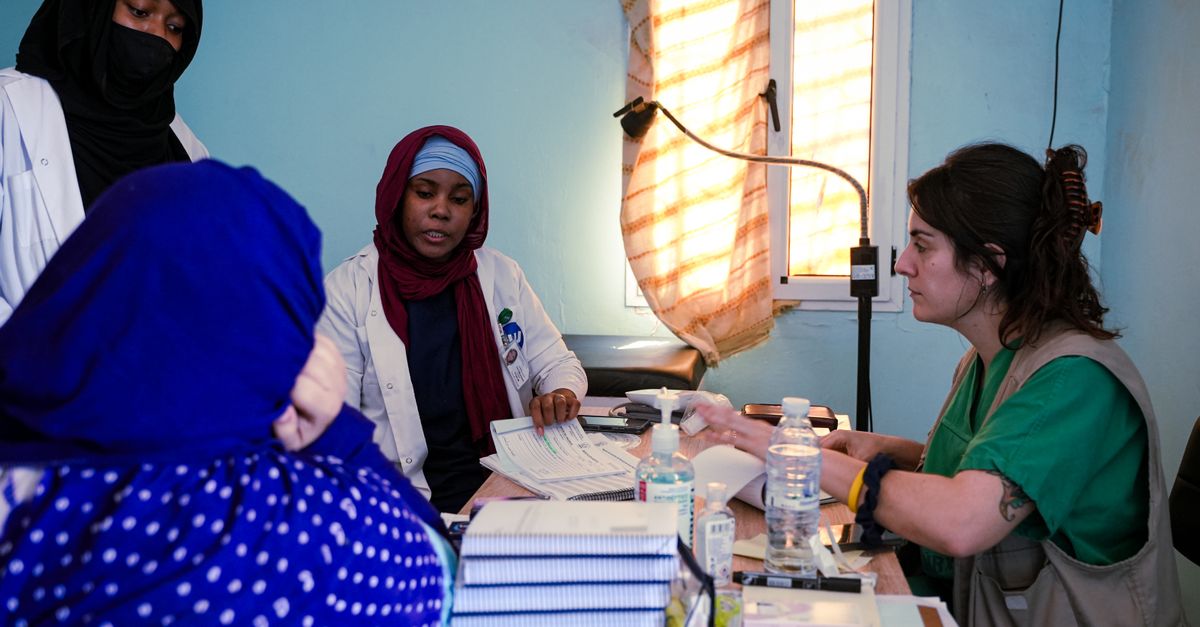
When I first sat in a pre-anaesthesia assessment room, I realized the interview is more than a checklist - it is the first defense against post-operative setbacks. The anesthesiologist gathers baseline data: blood pressure trends, heart rhythm, lung function, and even sleep patterns. By quantifying these variables, the team can tailor drug dosages, choose regional versus general techniques, and anticipate the need for invasive monitoring.
In my experience, a thorough medication history uncovers hidden hazards. For example, a patient on a selective serotonin reuptake inhibitor may need an alternate anti-emetic to avoid serotonin syndrome. Likewise, over-the-counter supplements like ginkgo can amplify bleeding risk. When these interactions are flagged before incision, the surgical team can pause or substitute agents, sparing the patient from unexpected hemorrhage or delayed wound healing.
The assessment also evaluates cardiac reserve using tools such as the Revised Cardiac Risk Index. A modest elevation in risk prompts a pre-op stress echo or cardiology consult, which can be scheduled weeks in advance, avoiding last-minute cancellations. Respiratory assessment - spirometry, oxygen saturation trends, sleep apnea screening - guides airway strategy and postoperative ventilation plans.
Beyond the numbers, the conversation builds trust. I have watched families leave the interview with a clear picture of what to expect, which reduces anxiety on the day of surgery. That mental calm can translate into smoother induction, faster emergence, and a shorter stay on the recovery floor. When the assessment is done right, it sets the stage for a discharge timeline that matches the patient’s life goals, not the hospital’s default schedule.
Crafting Your Patient Guide: 7 Must-Ask Questions for Elective Surgery
Designing a patient guide feels like writing a roadmap for a journey you have never taken. I start with the first question that forces clinicians to disclose any uncontrolled chronic conditions. "Do I have any uncontrolled chronic conditions that could affect anesthesia risk, such as diabetes or hypertension?" This opens the door to a discussion about blood sugar targets, blood pressure thresholds, and whether a pre-op cardiology clearance is required.
Second, I ask about medication management: "Will my current medication be paused, adjusted, or continued through the surgery?" This line of inquiry reveals whether blood thinners will be held, whether insulin regimens need to shift, and if any peri-operative drug interactions could delay wound healing. A clear answer lets families coordinate with primary care physicians and pharmacists ahead of time.
The third question digs into necessary cardiac or pulmonary testing: "What specific cardiac or pulmonary evaluations are required prior to my procedure?" Knowing if an echocardiogram, stress test, or pulmonary function test is needed helps patients schedule those studies early, avoiding the bottleneck that can push surgery dates weeks later.
Fourth, fasting guidelines often cause confusion. I ask, "Can you outline the standard pre-operative fasting guidelines for my elective procedure?" A precise answer - clear liquids up to two hours, solids up to six - prevents dehydration, reduces insulin spikes, and eliminates the dreaded "I forgot to fast" panic at the hospital entrance.
Fifth, I probe contingency plans: "If a complication arises during surgery, what contingency plans are in place for me?" The response should include details on blood product availability, intra-operative monitoring thresholds, and backup anesthesia techniques. When families hear a concrete plan, they feel safer, and the surgical team can act decisively if an event occurs.
Sixth, pain management is a pivotal recovery factor. I ask, "Will there be postoperative pain management options I should discuss early to speed my recovery?" The answer may involve multimodal analgesia, regional blocks, or non-opioid regimens that enable early ambulation, reducing the risk of pneumonia and clot formation.
Finally, I request a clear timeline: "What timeline and follow-up instructions will I receive after the pre-anaesthesia assessment?" A written schedule - when to stop certain meds, when to expect lab results, when the surgery date will be confirmed - creates a step-by-step family roadmap that keeps everyone aligned.
Each of these seven questions forms a step in a step-by-step patient guide, turning a vague pre-op conversation into a focused, actionable plan. When families use this guide, they report fewer surprise calls, smoother hospital admissions, and a recovery that feels like it was designed for them, not for the system.
Interview Preparation Checklist for Family Members
When I escorted a partner to a pre-anaesthesia interview, I learned that preparation is a team sport. The first item on the checklist is gathering all recent medical records - lab panels, imaging reports, and prior anesthesia notes. When the anesthesiologist sees a comprehensive health snapshot, they can fine-tune drug dosing and avoid redundant testing.
Second, compile a concise medication list. Include prescription drugs, over-the-counter pills, vitamins, and herbal supplements, noting dosage and timing. I have seen cases where a missing dose of a beta-blocker led to intra-operative tachycardia, a problem that could have been avoided with a complete list.
Third, rehearse key questions about peri-operative monitoring and recovery protocols. Practice asking, "Will I need a Foley catheter or arterial line?" and "What are the criteria for moving me from the ICU to the step-down unit?" Having these questions ready helps families spot potential complications early and engage in shared decision-making.
Fourth, set a timer to simulate the expected interview length - usually 15 to 20 minutes. Running through the timing helps the patient stay relaxed, maintain focus, and convey information clearly. In my observations, patients who practiced this technique appeared more confident and answered questions more accurately, which in turn reduced the need for follow-up clarification.
Finally, bring a notebook or digital device to capture answers verbatim. I always write down the name of the anesthesiologist, the recommended fasting schedule, and any follow-up labs. This record becomes a reference for the family during the days leading up to surgery and can be shared with the primary care provider to ensure continuity.
Using this interview preparation checklist transforms a potentially overwhelming pre-op conversation into a structured, collaborative dialogue, cutting down miscommunication that often lengthens hospital stays.
Localized Elective Medical Care: Navigating Clinics and Specialists
My recent reporting on Cleveland Clinic’s Saturday elective surgery expansion highlighted how localized care can shave days off recovery. Clinics that offer multidisciplinary pre-operative assessments bring cardiology, pulmonology, and anesthesia under one roof, eliminating the back-and-forth that drags out scheduling.
When I asked a regional hospital administrator how they coordinate care, she emphasized the importance of referrals to specialists who practice at the same hospital where the elective procedure will occur. "If the cardiologist and anesthesiologist share the same electronic health record, we avoid duplicate imaging and can confirm the anesthesia plan on the day of surgery," she explained. This seamless communication speeds up clearance and reduces the likelihood of last-minute cancellations.
Policy differences between community hospitals and tertiary centers also matter. Community hospitals may limit elective surgeries to weekdays, while tertiary centers like the Cleveland Clinic now allow Saturday slots, offering families more flexibility and potentially earlier discharge when weekend follow-up clinics are available. I spoke with a patient who leveraged a Saturday slot, went home on Sunday, and avoided a weekend stay that would have added two days to his hospital cost.
Compliance with regional standards is another guardrail. Many states require baseline echocardiograms or pulmonary function tests for patients over 65 undergoing major elective surgery. Verifying that a clinic adheres to these mandates prevents surprise delays. In my field work, families who confirmed compliance ahead of time reported smoother pathways and a sense that nothing was left to chance.
Finding a step member - meaning a clinician who will guide you through each phase - can make the journey feel less fragmented. I have seen families thrive when a single nurse navigator acts as the point person, reminding them of fasting rules, medication adjustments, and post-operative follow-up dates. This step-by-step member approach mirrors the patient guide, reinforcing the same themes of clarity and continuity.
Perioperative Risk Assessment: What Your Family Needs to Know
Risk assessment tools, such as the Revised Cardiac Risk Index, translate clinical variables into a numeric score that predicts peri-operative complications. When I reviewed a case where a 72-year-old patient’s score was elevated due to a recent myocardial infarction, the anesthesiologist opted for invasive arterial monitoring and a short-acting opioid regimen, which kept the patient stable and allowed discharge on day three instead of five.
Body mass index and sleep apnea are two factors that directly affect anesthetic drug metabolism. I have spoken with a sleep specialist who explained that untreated obstructive sleep apnea can cause delayed emergence and postoperative hypoxia. By identifying a high STOP-BANG score during the pre-anaesthesia interview, the team can plan for postoperative CPAP use, shortening the time spent in the recovery unit.
Post-operative delirium is a hidden cost of elective surgery, especially in older adults. When families understand that age, frailty, and pre-existing cognitive impairment increase delirium risk, they can arrange for early mobilization, familiar objects, and daytime orientation. These simple measures have been shown to reduce hospital length of stay, a point echoed in the research on older adults with serious illness.
Nutritional status, measured by serum albumin, signals the body’s capacity to heal. Low albumin often triggers the surgical team to administer prophylactic antibiotics and consider protein supplementation. I observed a patient whose low albumin prompted a pre-op nutrition consult; after two weeks of dietary optimization, his wound healed without infection, and he was home on post-op day four.
All these risk factors converge in the pre-anaesthesia assessment. When families ask the right questions, they empower the anesthesiologist to create a personalized plan that mitigates each risk. The result is not just a safer surgery but a recovery timeline that aligns with the patient’s life goals.
Frequently Asked Questions
Q: What is the most important question to ask during a pre-anaesthesia assessment?
A: Asking about uncontrolled chronic conditions, medication adjustments, and required cardiac or pulmonary testing uncovers hidden risks that can delay surgery and extend recovery.
Q: How can families prepare for the pre-anaesthesia interview?
A: Gather recent labs and imaging, compile a complete medication list, rehearse key questions, and time the interview to stay relaxed and focused.
Q: Does scheduling surgery on a Saturday affect recovery?
A: Saturday slots, now offered at some centers like Cleveland Clinic, can reduce wait times and allow weekend discharge, effectively shortening the overall hospital stay.
Q: What role does nutritional status play in elective surgery outcomes?
A: Low albumin signals poor wound-healing potential; pre-op nutrition optimization can lower infection risk and speed up discharge.
Q: Are there any risks associated with medical tourism for elective procedures?
A: Yes, a CDC study linked cosmetic surgery abroad to severe infections and, in some cases, death, underscoring the importance of localized, vetted care.