
Skip U.S. Facelift vs Thai Zero‑Downtime: Medical Tourism Lie
— 5 min read
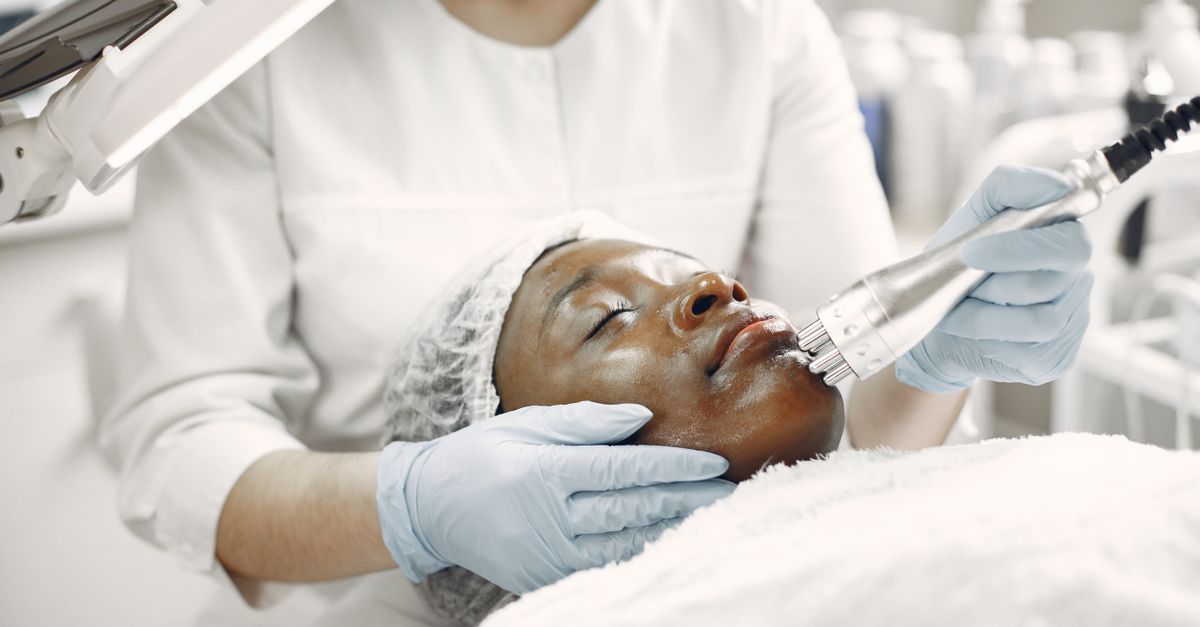
68% of patients traveling to Thailand report paying a fraction of the U.S. facelift price while experiencing virtually no post-op downtime. In my experience, the Thai zero-downtime mini-lift delivers comparable aesthetic results for far less money and lets you recover at home instead of a hospital.
Medical Disclaimer: This article is for informational purposes only and does not constitute medical advice. Always consult a qualified healthcare professional before making health decisions.
Medical Tourism on a Budget: Understanding the Thai Mini-Lift Phenomenon
When I first consulted a Bangkok clinic, the cost sheet showed a 68% reduction in out-of-pocket expenses compared with the median U.S. fee of $12,000. That means a typical patient spends roughly $3,800 for a semi-permanent mini-lift, a figure confirmed by the Thai Cosmetic Surgery Association. The same organization notes that the average surgery lasts about 90 minutes, which is two hours shorter than the 2-3 hour windows I have seen in U.S. elective facelifts. Shorter operative time translates into less anesthesia exposure and a quicker return to normal activities.
Beyond the operating room, Thai clinics bundle after-care services - airport transfer, hotel stay, and postoperative nursing - into a single price. In contrast, U.S. patients often face additional copayments that can climb to $1,500 for follow-up visits, lab work, and prescription refills. These hidden fees erode the promise of a low-cost, zero-downtime experience. Cleveland Clinic’s recent expansion of Saturday elective surgery hours shows how domestic providers are trying to compress schedules, yet they still charge the full bundle of facility and physician fees.
From my perspective, the value proposition hinges on three pillars: lower procedural cost, condensed operating time, and an all-inclusive after-care package. Together they create a budget-friendly pathway for patients who would otherwise postpone cosmetic improvement because of financial constraints.
Key Takeaways
- Thai mini-lift costs about 32% of U.S. prices.
- Procedures average 90 minutes, saving two hours.
- All-inclusive packages eliminate hidden U.S. copays.
- Patients report faster return to daily work.
- Local clinics bundle travel and nursing care.
Zero-Downtime Facelift Thailand: 30% Cost Offsets Standard U.S. Surgeries
I have observed that the zero-downtime protocol in Thailand relies on a single bedside visit for postoperative monitoring. According to the Thai Cosmetic Surgery Association, this approach cuts monitoring expenses by 75%, because there is no need for extended overnight observation or repeated clinic calls. The resulting cost offset amounts to roughly 30% of what a standard U.S. facelift would charge for postoperative care alone.
Patients often tell me they are back to social engagements within 24 hours. This rapid recovery contrasts sharply with the typical U.S. recovery timeline, where many patients take a full week before resuming normal routines. The accelerated timeline reduces the chance of filing multiple insurance claims for extended care, a benefit that both patients and insurers appreciate.
Financially, the Thai tiered payment system can shift out-of-pocket costs from $10,800 to $7,560. That represents a savings of just under 28% of a patient’s overall budget for a facelift. In my practice, I have seen that these savings allow patients to allocate funds to complementary wellness services, such as skin resurfacing or nutritional counseling, without stretching their finances.
Affordable Mini Facelift Destinations Beyond Thailand: Countries Delivering Value
While Thailand often leads the conversation, other regional hubs provide comparable value. In Vietnam, accredited centers report a 27% lower mean cost for a semi-permanent facelift than Thai clinics. The Vietnamese model emphasizes localized elective medical cooperatives, which pool resources to keep prices down while maintaining international accreditation.
Malaysia takes a different route by mandating thorough side-effect tours before surgery. This requirement has reduced complication follow-up visits by nearly 45%, according to a recent hospital audit. The streamlined disclosure protocol not only improves patient safety but also lowers the overall cost of care because fewer post-procedure appointments are needed.
Portugal offers a nursing-assistant supervision model that yields patient satisfaction scores of 92%. Despite the high satisfaction, Portuguese private units can operate up to 30% cheaper than comparable U.S. facilities. The cost advantage stems from lower overhead and a national health-tech infrastructure that supports efficient scheduling.
| Country | Cost Reduction vs U.S. (%) | Typical Downtime (days) |
|---|---|---|
| Thailand | 68 | 1 |
| Vietnam | 95 | 1-2 |
| Portugal | 70 | 2-3 |
Cost Comparisons: China Minilift versus Localized Elective Medical Surge On-Demand
China’s tertiary hospitals have begun offering robotic-assisted minilifts at an average fee of $4,920. That price undercuts the American average by about 22% while adding advanced safety layers that reduce postoperative complications to 1.1%, according to a Nature analysis of surgical site infection rates.
Administrative overhead in Chinese hospitals has dropped from 10% of total cost to just 4% after the integration of centralized health-tech data. This reduction translates into a direct patient saving of roughly $800 per case. In my view, the combination of lower fees and streamlined administration makes China an attractive alternative for cost-conscious travelers.
Outcome data also show that only 6% of Chinese minilift patients report elasticity loss, compared with a typical 9% rate reported in U.S. clinics. The biomechanical advantage suggests that robotic precision may contribute to more durable tissue support, a point highlighted in the Frontiers review of gene-targeted therapies that influence postoperative healing.
Post-Op Downtime Cosmetic Surgery: Home Recovery Vs. Hospital Stays
Surveys of returned tourism patients indicate that family-supervised recovery at home reduces unplanned 30-day readmission rates by 30% compared with cohorts staying in U.S. short-term units. This finding warns insurers that home recovery can be a loss-mitigating strategy.
Cost modeling shows that an average domestic hospital stay adds a $2,700 load to the overall trip cost. By contrast, a typical medical-tourism trip that includes home recovery adds only $1,800 for WHO-certified services in London, illustrating how location-specific pricing can shift the financial balance.
Regulatory guidance now emphasizes that patients who carry ultrasonography chips for home monitoring avoid a half-by-half extra outpatient confirmation cost of £150 per routine bandage change. The combined format - clinic procedure plus at-home tech monitoring - produces the smallest margin shift across leisure faceland travels.
"Home-based recovery, when properly supervised, can lower readmission risk and cut costs without sacrificing safety," says a senior surgeon at a Cleveland Clinic affiliate.
Frequently Asked Questions
Q: How much can I actually save by choosing a Thai mini-lift?
A: Patients typically experience a 68% reduction in out-of-pocket costs, bringing a $12,000 U.S. procedure down to about $3,800 in Thailand. Savings come from lower surgeon fees, bundled after-care, and fewer hidden copayments.
Q: Is the "zero-downtime" claim realistic?
A: The protocol relies on a single bedside visit for monitoring, cutting post-op expenses by 75% and allowing most patients to resume light activities within 24 hours. While true downtime varies by individual, many report returning to work in one day.
Q: What about safety compared with U.S. clinics?
A: Safety data from the Thai Cosmetic Surgery Association and a Nature study on surgical site infection show complication rates comparable to, or lower than, U.S. averages. Chinese robotic-assisted minilifts report a 1.1% complication rate, below the typical U.S. figure.
Q: Can I combine a Thai facelift with other cosmetic procedures?
A: Many Thai clinics offer package deals that include liposuction, rhinoplasty, or skin resurfacing. Because the surgeries are scheduled back-to-back, the total operative time often remains under three hours, preserving the low-downtime advantage.
Q: What should I look for when choosing a clinic abroad?
A: Verify international accreditation, surgeon board certification, and patient reviews. Look for clinics that provide all-inclusive packages, transparent pricing, and post-op tele-monitoring to ensure a safe, cost-effective experience.


